Source delicate handmade rhinestone bridal belt for weddings
Compare 30 listings for the delicate handmade rhinestone bridal belt suitable for weddings, fashion accessories, and headbands. Buyers can review specifications like material, size, and customization options from verified suppliers in Guangdong, China; compare the available evidence and request quotations based on your requirements.
Key considerations
Products List

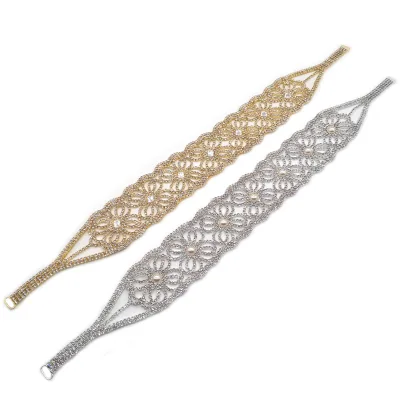


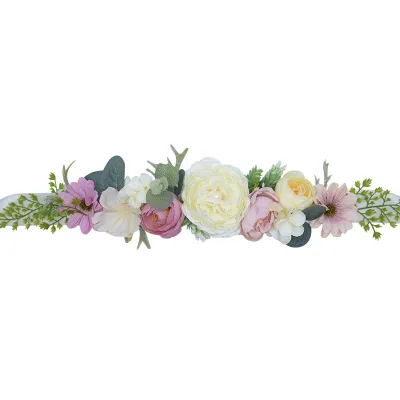
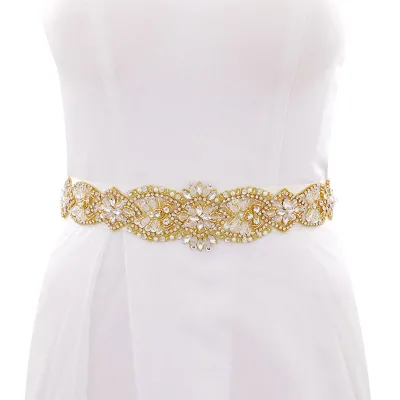

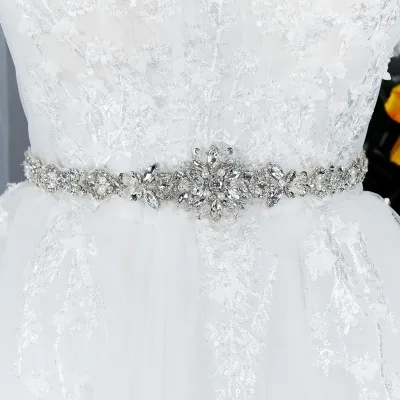
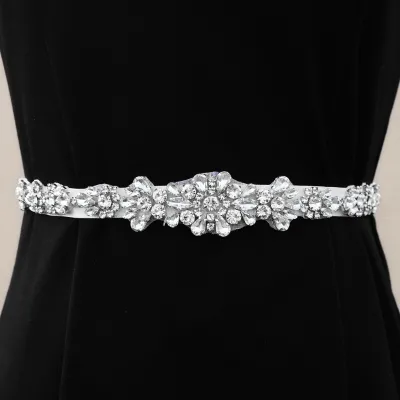
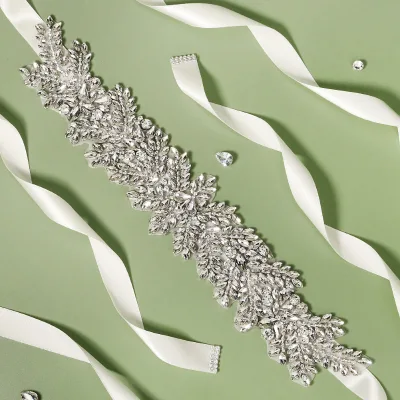
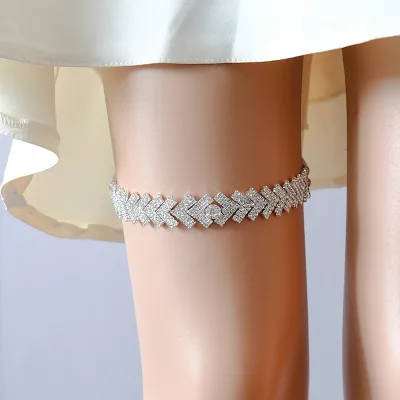
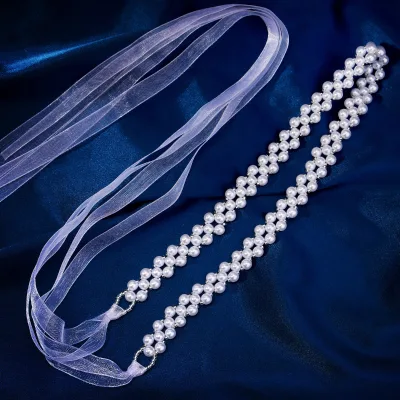
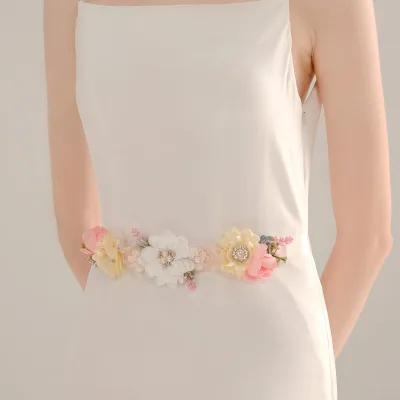


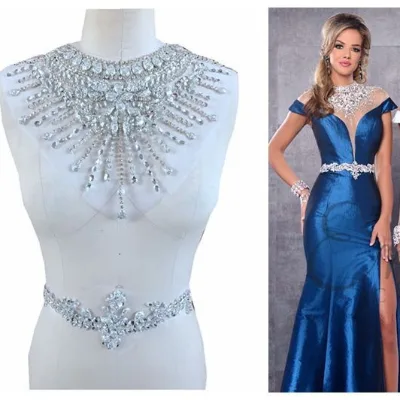

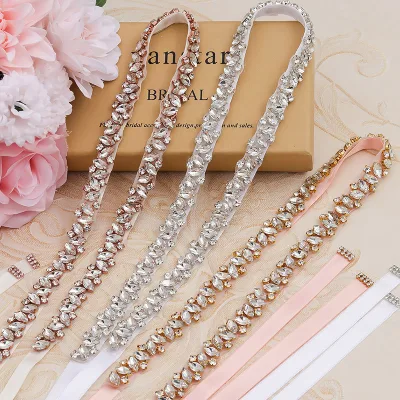
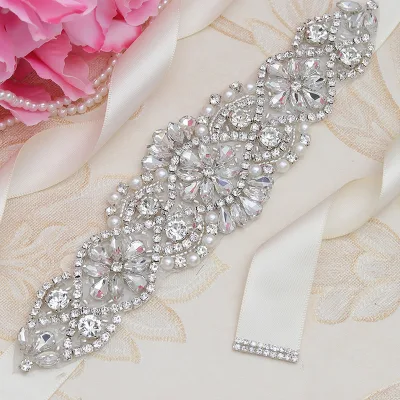


Comprehensive Sourcing Guide
Delicate Handmade Rhinestone Bridal Belt Sourcing Guide
Sourcing delicate handmade rhinestone bridal belts requires a nuanced understanding of both aesthetic precision and supply chain reliability. These accessories serve as critical focal points for wedding attire, demanding high-quality materials and meticulous craftsmanship to ensure they complement rather than overwhelm the bridal ensemble. Buyers must navigate a market where "handmade" claims vary significantly in execution, from fully artisanal pieces to machine-assisted production with manual finishing. The visual impact of rhinestone embellishments relies heavily on the clarity of the crystal glass and the durability of the plating, typically silver or gold, which must withstand the rigors of wear and photography.
Procurement decisions should be grounded in verified product attributes rather than marketing language alone. Observed listings indicate a wide range of product types, from specific trimming pieces to complete belt assemblies, with origins predominantly in Guangdong, China. This regional concentration offers access to specialized manufacturing ecosystems but requires rigorous due diligence to ensure consistency. Buyers must distinguish between products designed as standalone accessories and those intended as components for larger garments, such as bags, shoes, or headbands. Understanding this distinction is vital for aligning procurement with the specific needs of the final fashion item or bridal collection.
Product Scope and Observed Listing Signals
The current market landscape for bridal belts reveals a diverse array of product configurations, ranging from simple cowhide leather belts with rhinestone trims to intricate handmade crystal glass assemblies. Listings frequently highlight customizable logos and sizes, indicating a strong trend toward personalized bridal wear. The observed price range of $0.35 to $31 USD suggests significant variation in material quality and labor intensity, with lower prices often correlating to simpler designs or bulk production methods. Buyers should interpret these signals as indicators of market segmentation rather than direct value comparisons, as the "handmade" attribute can drastically influence the final cost and lead time.
Observed minimum order quantities (MOQs) vary widely, from as low as one piece to 1000 units, reflecting the flexibility of suppliers catering to both individual brides and large-scale fashion brands. Some listings specify an MOQ of 30 or 50 pieces, which is typical for custom branding or small batch production. The presence of "wholesale" pricing tags and options for customized sizes further underscores the B2B nature of this niche. Buyers must carefully evaluate whether the listed MOQs align with their inventory requirements, keeping in mind that lower MOQs may come with higher per-unit costs or limited customization options.
Technical Specifications to Verify
Technical verification begins with confirming the material composition, particularly the distinction between rhinestone trims and the underlying belt structure. Listings often specify materials such as top grain cowhide, alloy buckles, or crystal glass, each requiring different quality checks. For instance, cowhide belts should be inspected for grain consistency and stitching durability, while rhinestone pieces must be evaluated for stone retention and plating integrity. The standard width of 3.5-4cm or 4.5cm is a common specification, but buyers must verify if these dimensions are fixed or customizable to meet specific design requirements.
Length and fit are critical technical parameters, with observed specifications ranging from 44cm for trimming pieces to over 130cm for full belts. Buyers must ensure that the listed length accommodates the intended wearer or garment size, especially since many suppliers offer customized sizing. Additionally, the buckle type, such as auto buckles, and the plating color, whether silver or gold, must be confirmed against the design brief. Single package dimensions and gross weight, such as 0.130 kg, are also important for logistics planning and cost estimation, ensuring that shipping calculations are accurate and realistic.
Compliance and Safety Documentation
Compliance for bridal accessories primarily involves ensuring that materials meet international safety standards for consumer goods, particularly regarding heavy metal content in alloys and plating. While specific certification statuses are not universally listed, buyers should request documentation confirming that rhinestones and metal components are free from harmful substances like lead or cadmium. This is especially important for products intended for direct skin contact or for use in regions with strict regulatory frameworks, such as the EU or North America. Verifying compliance helps mitigate legal risks and ensures that the final product is safe for the end consumer.
Documentation should also cover the origin of materials, particularly for leather and crystal glass, to ensure ethical sourcing practices. Buyers may need to request material safety data sheets (MSDS) or test reports from independent laboratories to validate claims about material purity and durability. Although specific test results are not provided in the observed listings, proactive verification of these documents is a best practice for responsible procurement. This due diligence not only protects the brand from potential liabilities but also enhances credibility with environmentally and socially conscious consumers.
Cost Drivers and Commercial Terms
Cost drivers for delicate handmade rhinestone belts include the complexity of the design, the quality of materials, and the labor intensity of the handmade process. Listings indicate that sample times of 5-7 days are common, which can impact overall project timelines and associated costs. Buyers should anticipate higher per-unit prices for intricate designs or custom orders, as these require more skilled labor and precise quality control. Payment terms, such as T/T, PayPal, Western Union, or Google Pay, offer flexibility but may come with varying transaction fees and security implications, which should be considered in the total cost analysis.
Shipping methods, including air, sea, or express, significantly influence the final landed cost and delivery speed. Air freight and express services offer faster turnaround times but at a premium, while sea freight is more cost-effective for larger volumes but involves longer lead times. Buyers must balance these factors against their inventory needs and market demands. Additionally, packaging options, such as polybag, gift box, or carton box, add to the cost but are essential for protecting delicate items during transit and enhancing the unboxing experience for end consumers.
Supplier Qualification and Quality Control
Supplier qualification for handmade bridal accessories requires a thorough assessment of their production capabilities and quality control processes. Listings mention professional QC teams and strict quality standards, but buyers must verify these claims through audits or sample evaluations. It is crucial to assess the supplier's ability to maintain consistency in handmade products, which can vary significantly from piece to piece. Buyers should request detailed information about the supplier's production workflow, including how they handle customization requests and manage defects.
Quality control should extend to the final product inspection, ensuring that rhinestones are securely attached, plating is even, and materials meet the specified standards. Buyers may consider implementing a pre-shipment inspection protocol to catch any issues before goods are dispatched. Additionally, evaluating the supplier's responsiveness and communication skills is vital, as effective collaboration is key to resolving any production challenges. Establishing a clear quality agreement with the supplier can help ensure that the final products meet the buyer's expectations and brand standards.
Long-Term Procurement Checks
Long-term procurement success depends on establishing a robust supplier relationship and continuous performance monitoring. Buyers should regularly review supplier performance metrics, such as on-time delivery rates, product quality consistency, and responsiveness to issues. This ongoing evaluation helps identify potential risks and opportunities for improvement, ensuring that the supply chain remains reliable and efficient. Building a strong partnership with suppliers can also lead to better pricing, priority production, and access to new designs or technologies.
Additionally, buyers should stay informed about market trends and consumer preferences to anticipate changes in demand for bridal accessories. This proactive approach allows for better inventory management and product development, ensuring that the brand remains competitive. Regular communication with suppliers about future needs and feedback on past orders can foster a collaborative environment that benefits both parties. By maintaining a strategic focus on quality, compliance, and relationship management, buyers can secure a sustainable supply of delicate handmade rhinestone bridal belts.
FAQs
How long does it take to receive a sample order?
Sample orders require 5 to 7 working days for production. This timeline applies to customized items like the rhinestone belt. Please note that specific sample lead times may vary based on current factory capacity and order complexity.
What is the minimum order quantity for this belt?
The minimum order quantity is 30 pieces for standard items. Some variations may require 50 pieces as a baseline. Buyers should verify the specific MOQ for their chosen style before placing a bulk order to ensure compliance.
Can I customize the logo on the belt?
Yes, customized logos are accepted for this product. The manufacturer supports branding needs for wholesale buyers. Please provide your design files during the inquiry phase to ensure accurate application on the rhinestone or leather components.
What materials are used for the belt construction?
The belt features rhinestone and crystal glass materials for decoration. The main body utilizes top grain cowhide leather. Buckles are made from alloy with silver or gold plating options available for different aesthetic preferences.
Which payment methods are accepted for this order?
Accepted payment methods include T/T, PayPal, Western Union, and Google Pay. These options provide flexibility for international buyers. Please confirm the preferred method with the supplier before finalizing the transaction to ensure smooth processing.
What are the standard dimensions for the belt?
Standard lengths are available at 44cm or 105-115cm depending on the style. Widths typically range from 3cm to 4.5cm. Customized sizes are also accepted to meet specific design requirements for bridal or fashion applications.
How is the product packaged for shipping?
Products are packed in polybags, gift boxes, and carton boxes. This ensures protection during transit. The single package size is approximately 45x5x0.5 cm with a gross weight of 0.130 kg per item for logistics planning.
Can the belt be used for multiple garment types?
Yes, the belt is suitable for bags, garments, home textiles, shoes, and headbands. Its versatile design allows for use as a dress accessory or headband. This multi-purpose utility makes it ideal for various fashion and textile applications.